
Ultimate Foundation Repair Tools For Homeowners And Contractors
Get insights into essential foundation repair products that deliver effective results for DIY and professional projects alike.
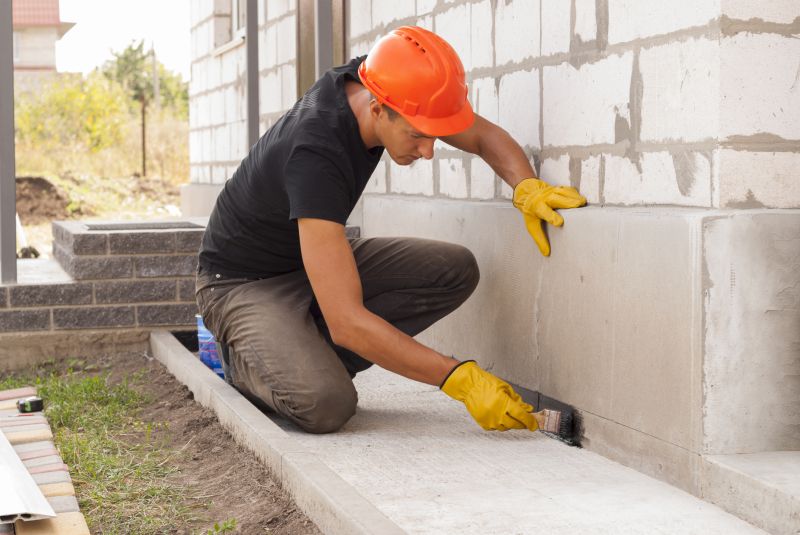 Foundation repairs are a critical aspect of maintaining the structural integrity of a building, especially in areas like Pekin, IL where soil conditions and weather patterns can influence foundation stability. Various products are available to address different types of foundation issues, from minor cracks to significant shifts. Selecting the appropriate repair products requires understanding the specific needs of the foundation and the underlying causes of settlement or damage. Proper application and quality materials can help prolong the lifespan of a structure and prevent further deterioration.
Top Overall Option
Hydraulic Piers System
Hydraulic piers are widely used in foundation stabilization due to their ability to lift and support settled structures. They involve installing steel piers beneath the foundation, which can then be hydraulically extended to reach stable soil and lift the foundation back to its proper level. This method is versatile and effective for a range of foundation types and damage severities, providing a reliable solution for long-term stability. Proper installation by experienced professionals is essential to maximize their benefits and ensure safety.
Types of Products For Foundation Repairs
Hydraulic Pier Systems
Support and lift foundations using hydraulic pressure to install steel piers beneath the structure.
Epoxy Crack Fillers
Seal and stabilize cracks in concrete or masonry foundations with epoxy injections.
Carbon Fiber Reinforcements
Reinforce bowing or cracked walls with high-strength carbon fiber strips or fabrics.
Mudjacking and Slab Jacking Materials
Lift sunken concrete slabs with a mixture of grout or foam injected beneath the surface.
Underpinning Piles
Provide additional support by installing piles or piers beneath the foundation for added stability.
Soil Stabilization Products
Improve soil bearing capacity through chemical or mechanical stabilization techniques.
Drainage and Waterproofing Systems
Prevent water infiltration that can weaken foundations through effective drainage solutions.
Steel Push Piers
Use steel piers driven into stable soil to lift and support the foundation.
Polyurethane Foam Injection
Lift and stabilize settled slabs or fill voids with expanding foam.
Wall Bracing and Reinforcement
Support bowing or leaning walls with braces or reinforcement systems.
Foundation Sealants
Seal minor cracks and prevent water intrusion with specialized sealants.
Grouting Materials
Fill voids or stabilize soil with grout injections for improved support.
Vapor Barriers
Reduce moisture infiltration from the ground to protect foundation materials.
Anchor Bolts and Brackets
Secure and reinforce foundation walls with anchoring systems.
Concrete Lifting Foam
Raise sunken concrete slabs using expanding polyurethane foam.
Drainage Matting
Improve water flow around foundations to reduce soil erosion.
Soil Moisture Control Products
Regulate soil moisture levels to minimize movement and shifting.
Popular Choices
A commonly used method for foundation stabilization involving steel piers and hydraulic lifts.
Effective for sealing cracks in concrete foundations to prevent water intrusion.
Popular for reinforcing cracked or bowing basement walls.
Widely used for lifting and filling voids beneath slabs with minimal disruption.
A common approach for raising sunken concrete surfaces.
Essential for directing water away from foundations, reducing moisture-related issues.
Popular for stabilizing leaning or bowing walls.
Used to seal minor cracks and prevent water leaks.
Trusted for their strength in supporting and lifting foundations.
Applied to exterior or interior surfaces to prevent water infiltration.
Help improve soil load-bearing capacity around foundations.
Help control moisture levels and protect foundation materials.
Secure foundation walls and prevent shifting.
Provide DIY solutions for small cracks in concrete foundations.
Enhance drainage around foundation walls.
A minimally invasive option for raising sunken slabs.
Stabilize walls and prevent further movement.
When considering foundation repair products, it is essential to evaluate the severity of the problem and the type of foundation involved. Common issues such as uneven settling, cracking, or bowing walls may require different approaches and materials. Using the right products can improve stability and help restore the foundation's original alignment. It is advisable to consult with a foundation specialist or structural engineer to assess the damage accurately and recommend suitable solutions.
Foundation repair products are designed to work in various environments and soil conditions. From hydraulic piers that lift and stabilize to epoxy injections that seal cracks, each product plays a role in addressing specific issues. The durability and compatibility of these materials with existing structures are vital considerations. Proper installation techniques are equally important to ensure long-lasting results. Regular inspection and maintenance can also help identify early signs of foundation problems before they escalate.
Investing in quality foundation repair products can be a cost-effective way to preserve property value and safety. While do-it-yourself solutions are available, complex issues often require professional intervention to ensure the correct application and effectiveness. Understanding the different types of products and their functions can empower homeowners and contractors alike to make informed decisions when planning repairs in Pekin, IL or surrounding areas.
Key Buying Considerations
- Assess the severity and type of foundation problem before selecting products.
- Ensure compatibility of repair materials with existing foundation materials.
- Consider the long-term durability and resistance to environmental factors.
- Evaluate whether professional installation is recommended for complex issues.
- Look for products that have clear application instructions and safety guidelines.
- Determine the appropriate size and capacity of support systems for your foundation.
- Check for warranty or guarantee options offered with the products.
- Consider the ease of access and installation requirements at your property.
- Review customer feedback and product ratings for insights on effectiveness.
- Account for local soil and weather conditions that may influence product performance.
- Prioritize products that allow for future inspections and maintenance.
- Understand the costs involved, including potential additional services or tools needed.
- Verify that the products meet relevant safety standards and building codes.
- Consider environmental factors such as moisture levels that may affect repair longevity.
- Plan for possible future repairs or upgrades to maintain foundation stability.